Muscle Recovery: Why It Matters for Performance and Injury Prevention
Training challenges the body in ways that create growth, strength and endurance. But progress does not only happen during the workout itself, it happens during recovery. Understanding how muscles respond to exercise and prioritising recovery is essential for consistent performance, injury prevention and long-term wellbeing.
What Happens to Muscles During and After Training
When you train, your muscles experience stress. Fibres are stretched and tiny tears form, creating the stimulus that leads to growth and adaptation. At the same time, energy stores within the muscles are depleted, and metabolic byproducts such as lactic acid accumulate.
After exercise, the body begins a complex process to repair and rebuild muscle fibres, replenish energy stores and remove waste products. Blood flow increases to deliver oxygen and nutrients, while protein synthesis works to repair damaged tissue. This process is the foundation of strength, endurance and improved performance.
Recovery also involves the nervous system. Training places demands on both the central and peripheral nervous systems, which need time to reset. Without adequate recovery, fatigue accumulates, coordination can decline and overall performance suffers.
Why Muscle Recovery is Important for Performance
Recovery is a non-negotiable part of performance. Consistent, quality recovery allows the body to adapt to training loads, making muscles stronger and more resilient over time.
Well recovered muscles respond better to subsequent training sessions, improving strength, power and endurance. Recovery also helps maintain energy levels and enhance focus during exercise.
Muscle Recovery and Injury Prevention
Effective recovery helps protect the body from injury. Muscles that are fatigued or under-recovered cannot stabilise joints or absorb impact efficiently, increasing the risk of strains, sprains and overuse injuries.
By giving muscles time to repair and restore balance, recovery reduces stress on connective tissues and joints. Consistent recovery also supports flexibility, mobility and overall structural integrity, creating a foundation for safer, more efficient movement.
Proven Recovery Methods for Better Results
Several strategies support muscle recovery and can be incorporated alongside training:
Hydration and Nutrition
Water and electrolytes are essential for replenishing fluids lost during training. Adequate protein and balanced nutrition provide the building blocks for muscle repair.
Sleep and Rest
Sleep is essential for tissue repair, hormone regulation and nervous system reset. Quality rest allows the body time to recover and rest fully.
Active Recovery and Mobility
Gentle movement, stretching and mobility work promote blood flow, reduce stiffness and support muscle function without adding stress.
Targeted Recovery Therapies
Infrared sauna, compression therapy and red light therapy can accelerate recovery by improving circulation, easing muscle tension and supporting cellular repair. Regular use helps the body restore balance and maintain peak performance over time.
How KĀYA Supports Muscle Recovery
At KĀYA Health Clubs, recovery is considered just as important as training. Our Recovery Lounge provides a dedicated space to slow down, and to support the body’s natural repair processes.
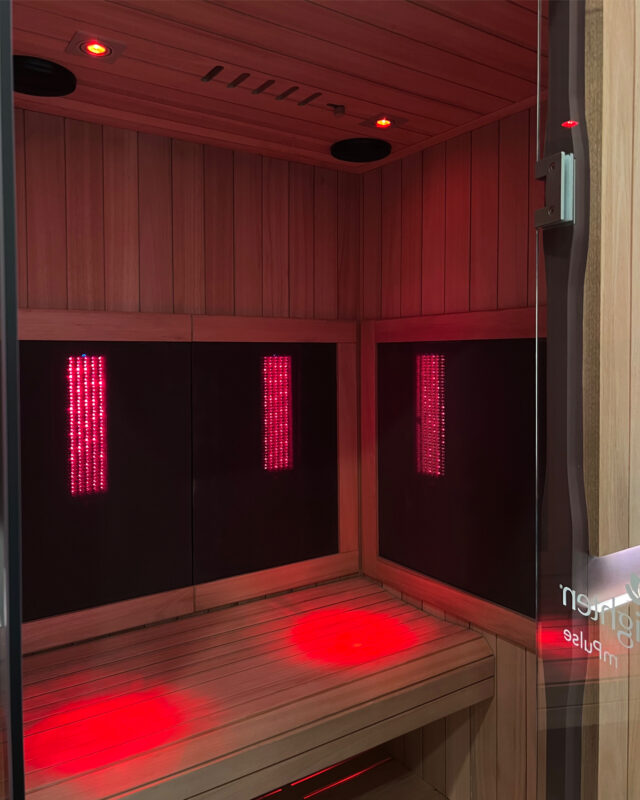
Infrared Sauna
Gently warms the body, encouraging circulation, easing tension and promoting relaxation after training.
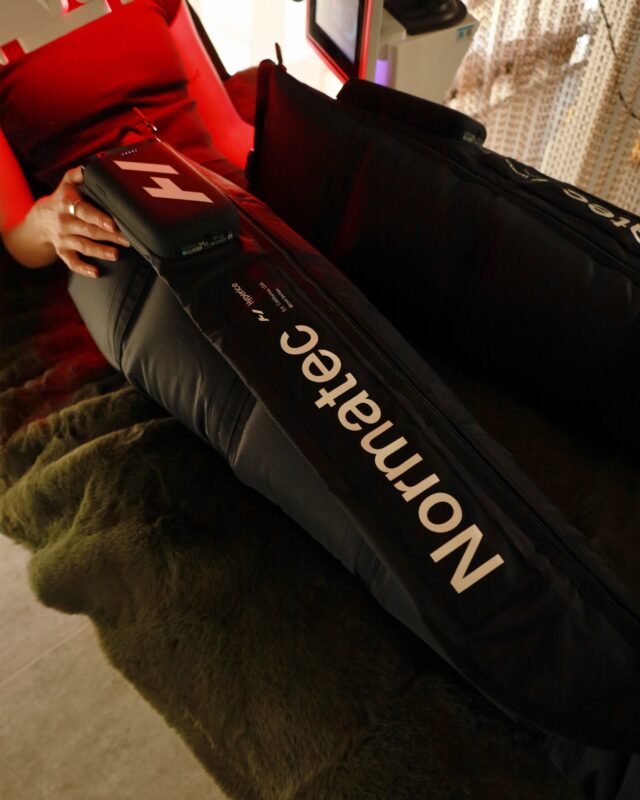
Compression Boots
Enhance blood flow, support metabolic waste removal and help muscles recover faster.
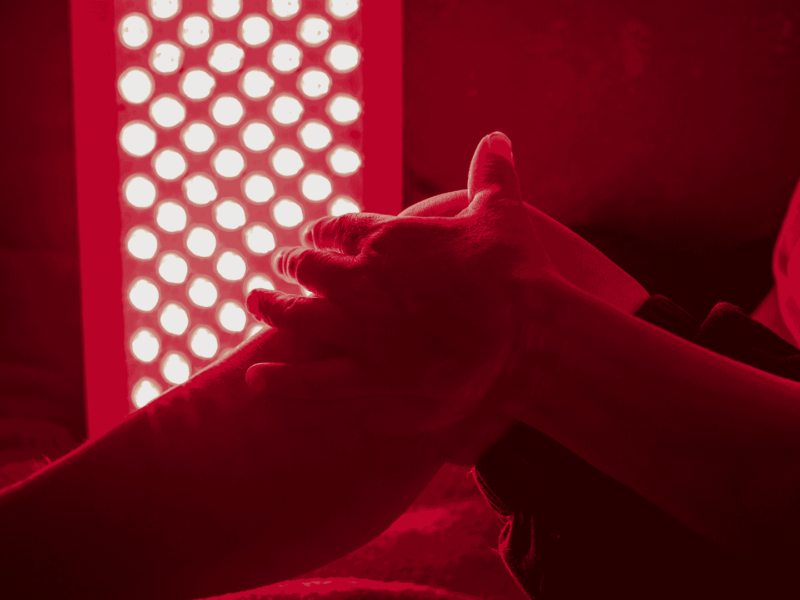
Red Light Therapy
Supports cellular repair and tissue recovery, complementing other recovery methods and aiding overall wellbeing.
By combining these tools, KĀYA offers a complete, evidence-based approach to muscle recovery that helps members train consistently, recover efficiently and stay injury free.
When and How Often Should You Prioritise Recovery
Recovery is not a one-size-fits-all formula. Its timing and frequency depend on training intensity, duration and individual needs. Incorporating recovery daily or after high intensity sessions ensures the body has the opportunity to repair and adapt.
Recovery practices such as a sauna session, mobility work or focused rest, can make a meaningful difference when applied consistently. The key is to view recovery as an integral part of your training routine rather than an optional extra.
Make Recovery Part of Your Training Routine
Muscle recovery is essential for injury prevention and long-term wellbeing. It allows the body to repair, rebuild and adapt to training stress, supporting consistent progress and resilience.
Integrating recovery strategies such as hydration, sleep, mobility work and targeted therapies helps you maintain energy, enhance performance and reduce the risk of injury. At Kaya Health Clubs, our Recovery Lounge offers a comprehensive approach to support every member’s journey, combining infrared sauna, compression boots and red light therapy to optimise recovery and elevate your performance.
Prioritise recovery as part of your routine, and your training results will follow.
Elevate Your Recovery and Performance
Take your training and wellbeing to the next level with a Gold Membership. Move, strengthen and energise with unlimited access to Pilates Reformer, Yoga, Barre, Spin and Fitness Circuit classes, then slow down and restore in the KĀYA Recovery Lounge.
Experience Infrared Sauna, Compression Therapy and Red Light sessions, thoughtfully designed to support muscle repair, circulation, and total mind-body wellbeing. Every aspect of recovery is considered, all under one roof, helping you train smarter, feel better and perform at your best.