Why Stress and Poor Sleep Often Go Hand in Hand
As most of us have probably experienced, stress and sleep are deeply connected. Often linking together creating a rather frustrating cycle. When your mind is busy, overthinking, racing with worries, deadlines, or emotional tension, your body remains in a heightened state of awareness and alertness. This then in turn makes it difficult to fall asleep and even harder to stay asleep and get a good quality restful night.
At the same time, poor sleep can amplify stress. A restless night can leave you feeling irritable, unfocused, and less equipped to cope with everyday challenges life throws at us.
Over time, this rather frustrating cycle and what can feel like an endless loop can impact both mental and physical health and wellbeing, contributing to fatigue, burnout, and reduced resilience.
Understanding the relationship between stress and sleep is the first step toward breaking the cycle. Practices that calm the mind and relax the body, like yoga and our other classes, can be powerful tools in restoring balance, calming the nervous system and regaining your sleep.
How Yoga Supports Stress Relief and Nervous System Regulation
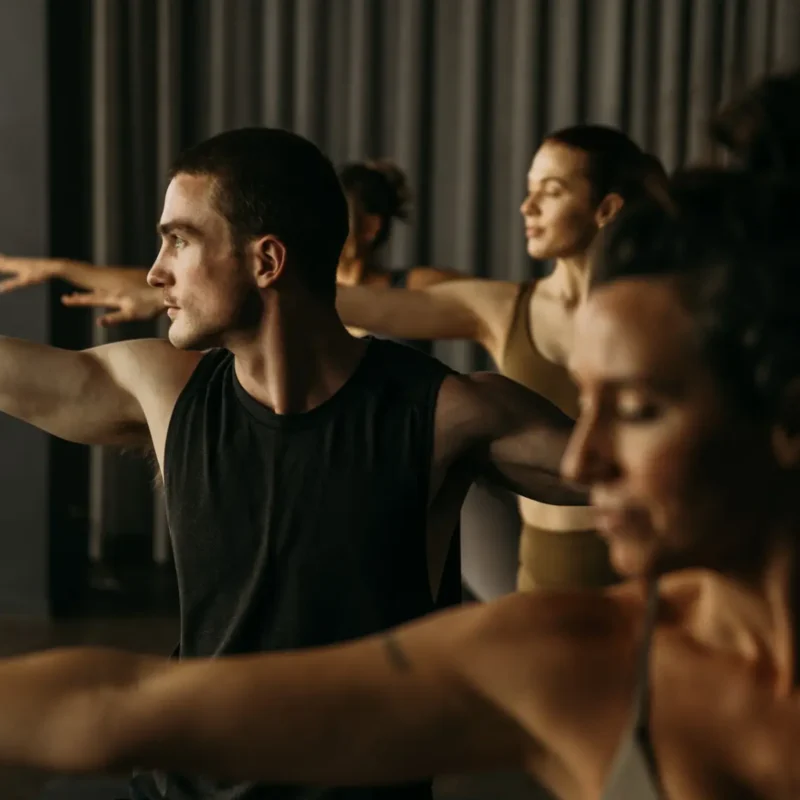
Yoga is more than just physical movement practice, it’s a holistic practice that works on both the body, mind, breath and the nervous system. Through a combination of breathwork, mindful movement, carefully curated practices and meditation, yoga helps shift your nervous system and therefore mind and body from a sympathetic state (fight or flight) into a parasympathetic (rest and digest) mode.
This shift is essential for stress reduction. Slow, controlled breathing lowers heart rate and signals safety to the brain, while yoga postures and gentle movement releases physical tension stored in muscles, ligaments and fascia. Over time,a regular yoga practice can improve your ability to respond to stress more calmly and effectively in your everyday life.
Yoga also encourages present-moment awareness, helping you step away from repetitive thought patterns that often fuel anxiety. Even a short daily session can create noticeable changes in how your body processes stress.
Why Yoga Nidra Can Be So Effective for Sleep
Yoga Nidra, translated as ‘yogic sleep’ is a guided meditation practice following a specific format designed to bring you into a state between wakefulness and sleep. While you lie comfortably still, your awareness is gently guided through the body and breath, into a visulisation then allowing deep relaxation to occur.
This practice is particularly effective for people who struggle to “switch off” at night. Yoga Nidra helps quieten the mind while releasing physical tension, making it easier to transition into restful sleep.
One of its unique benefits is that it can provide a sense of restoration similar to sleep itself. Even though you don’t fall asleep during a session, you may still end the meditation feeling refreshed, relaxed, restored and more grounded.
The Best Types of Yoga for Anxiety, Stress and Better Rest
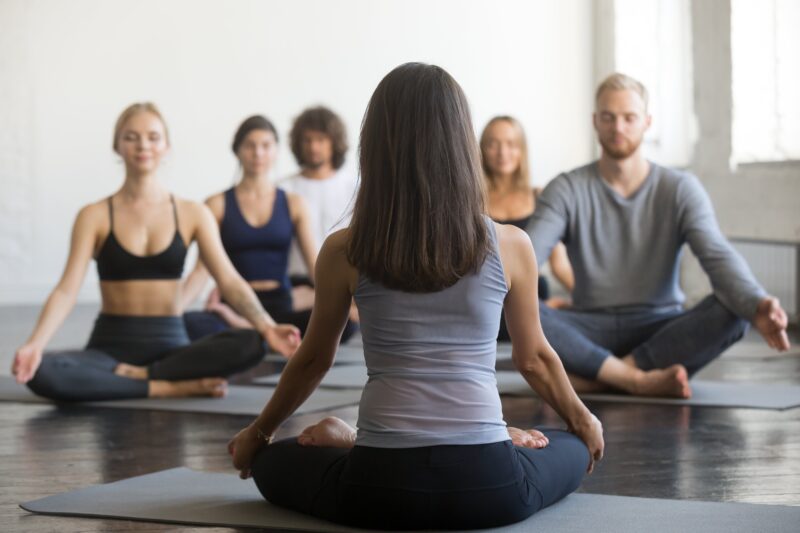
Not all yoga styles are created equal when it comes to relaxation and sleep support. If your goal is to reduce stress and improve rest, slower and more mindful practices tend to be the most beneficial.
Restorative yoga focuses on complete relaxation, using props to support the body in comfortable, passive poses. Yin yoga involves holding gentle stretches for longer periods, helping release deep-seated tension. Hatha yoga (slow flow) offers a slower-paced flow that balances movement with breath awareness.
These styles prioritise calmness over intensity, making them ideal for unwinding at the end of the day. More dynamic practices can still be beneficial but are often better suited earlier in the day rather than right before bed. However you choose to practice, you are still supporting your mind and body and you will find the practice for you. You can test out the best practice for you through our Membership trial.
Building a More Restorative Wellness Routine
Incorporating yoga into your daily or weekly routine doesn’t have to be complicated. Consistency matters more than duration even as little as 10 to 15 minutes a day can make a difference.
Try creating a simple evening ritual that signals to your body it’s time to wind down. This could include gentle stretches, a short breathing exercise, making your shower and skincare routine more of a calming ritual, lighting candles or low level lighting, limiting your screen time or a recorded guided Yoga Nidra session. Pairing yoga with other calming habits and maintaining a regular sleep schedule can further enhance its benefits.
Over time, these small, intentional steps and actions help to build the foundation for deeper rest and improved overall wellbeing.

Why KĀYA Health Clubs Is a Supportive Place to Practise Yoga in Melbourne
Finding the right environment can make a big difference in your yoga journey. At KĀYA Health Clubs we offer a welcoming and supportive environment for those looking to prioritise both physical and mental wellbeing.
With a focus on holistic health and authentic practices, our yoga and other offerings are designed to help you reconnect with your body, reduce stress, and build sustainable wellness habits. Whether you’re new to yoga or returning after a break, practising in a guided, community-focused setting can provide the structure and encouragement needed to stay consistent.
In a busy city like Melbourne, having access to a calm and nurturing space can be invaluable. It creates an opportunity to pause, reset, and invest in your long-term health one breath, one practice at a time. Sign up for a Membership today and get access to all of our classes!