After a big week of training, it’s tempting to collapse into complete rest and sleep in, stay still, and hope your body resets by Monday. While rest is important, it’s not always the most effective way to recover. As even seen in recent years there’s been a spotlight on recovery and many different ways to do that. At KĀYA, we believe there’s an art to recovery, and when done well, it can leave you feeling not just rested and restored, but stronger, more mobile, and ready to take on what’s next. This is where active recovery, particularly through gentle yoga, comes in.
What Is Active Recovery?
Active recovery in its simplest terms is low-intensity movement designed to support your body’s natural repair process without placing it under more strain and stress. Instead of pushing yourself and your body’s limits; the focus shifts to improving circulation, increasing mobility, and releasing tension.Think slow, intentional and breath-led movement.
Active recovery is time and space to reconnect with your body rather than challenging it more. Unlike high-intensity training, active recovery sessions are about supporting your mind, body and nervous system, not depleting it further.
Why Rest Alone Is Not Always Enough
Complete rest has its place of course! However staying completely still can sometimes be a hindrance. Being sedentary can leave you feeling stiff, sluggish, and even more fatigued. After intense training whether that be; weights, spin classes, fitness circuit, reformer or even a strong flow class, your muscles can tighten, your joints may feel restricted, and your nervous system can remain in a heightened state.
Without gentle movement, circulation slows and recovery can take even longer.
Incorporating light movement helps:
- Increase blood flow to fatigued muscles
- Reduce stiffness and soreness
- Support lymphatic drainage
- Bring the nervous system back into balance
It’s not about doing more, it’s about doing just enough to help your body recover intelligently with the guidance from experienced yoga teachers carefully curated class structure.
How Gentle Yoga Movement Supports Recovery
Gentle yoga (like our Slow Flow classes) offers the perfect balance between movement and rest, strength and softness, power and surrender. It invites you to move slowly and mindfully, breathe deeply, and tune into what your body actually needs. And tapping into your body’s wisdom is what we encourage.
Through controlled, mindful movement, yoga can:
- Ease muscular tension without overloading the body
- Improve joint mobility and range of motion
- Encourage deep, steady breathing that calms the nervous system
- Create space in areas that feel tight or overworked
The combination of breath and movement is key. It shifts your body out of ‘fight or flight’ and into a state of ‘rest and digest’ where true recovery can happen (our parasympathetic nervous system response)
The Benefits of a Yin Yoga Class After a Big Week of Training
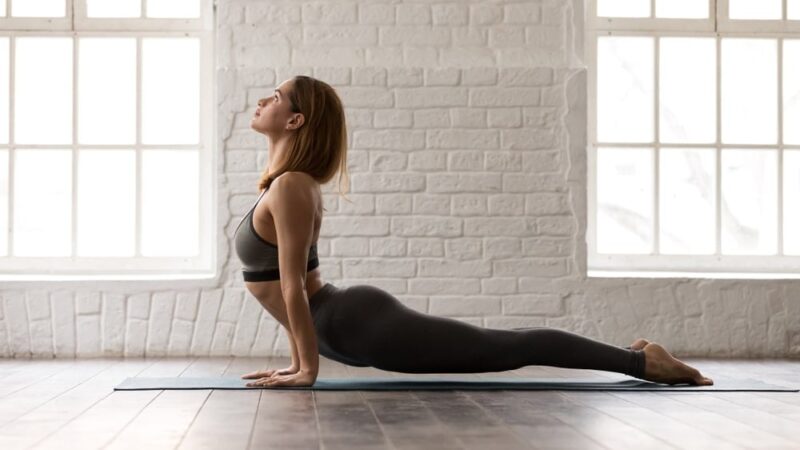
From a physical point of view, if your body is feeling particularly fatigued and tight a Yin yoga class can be especially powerful. Yin focuses on long-held, passive poses that target the deeper connective tissues—fascia, ligaments, and joints—rather than just muscles.
After a demanding week, this style of practice can:
- Release deep-seated tension
- Improve flexibility without strain
- Support joint health
- Encourage stillness and mental reset
- Promote a deep sense of calm and restoration
It’s less about effort, and more about allowing—giving your body time and space to unwind. Ease over effort. Providing yourself the opportunity to pause, slow down, be present and in tune with what’s going on in your body.
From an emotional and mental perspective there are also so many benefits to Yin’s slow and meditative style of practice.
Yoga for Soreness, Stiffness, and Mobility
Of course soreness and stiffness after training are natural responses to, but they don’t have to linger.
Gentle yoga/slow flow classes help to:
- Lengthen tight muscles
- Rehydrate connective tissue
- Restore functional movement patterns
- Reduce the risk of injury
- Improve flexibility and balance
Over time, incorporating yoga into your routine can improve overall mobility, making your training feel more efficient and your body more resilient.
When to Choose Yoga as Your Active Recovery Session
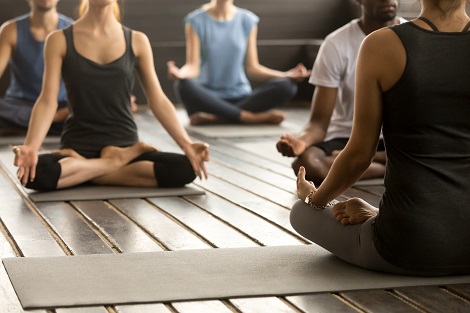
Yoga is an ideal choice for active recovery when:
- Your muscles feel sore or fatigued
- You’re experiencing tightness or reduced mobility
- You feel mentally drained or overstimulated
- You want to move, but not push
It’s particularly effective on rest days, after intense workouts, as part of a weekend reset, or as part of your weekly routine. Listening to your body is key, if high intensity feels like too much, that’s often your cue to slow down and rethink your moment practice.
Why Recover with Yoga Classes at KĀYA Health Clubs?
At KĀYA, recovery is seen as an essential part of your overall wellbeing, not an afterthought. Our yoga classes are designed to support every stage of your journey, whether you’re coming off a heavy training week or simply needing to reset.
With experienced instructors, calming spaces, and a focus on mindful movement, we provide:
- A range of slow flow and Yin yoga classes throughout the week
- A supportive environment to slow down and reconnect
- Expert guidance to help you move safely and effectively
- Space to restore both body and mind
Recovery doesn’t have to mean doing nothing. With the right approach, it can become one of the most powerful parts of your routine
Gemma Skilton
Head of Training and Development | Yoga| KĀYA Health and Wellness